Seasonal Dynamics Shaping Incentive Offerings in Nordic Mobile Slots and Resulting Player Behavior Patterns
Leon Foster · Nov 12, 2026
Seasonal Dynamics Shaping Incentive Offerings in Nordic Mobile Slots and Resulting Player Behavior Patterns
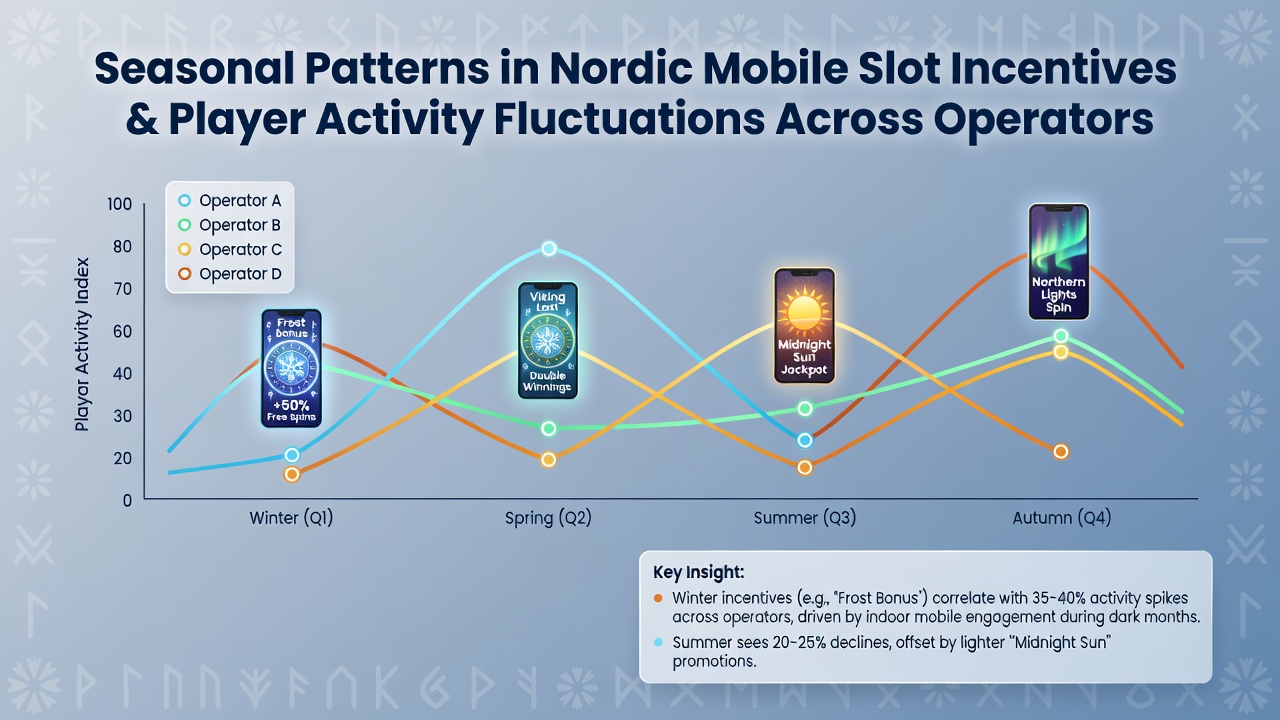
Seasonal cycles create measurable shifts in how Nordic operators structure mobile slot incentives, and those changes align closely with documented variations in player engagement levels. Data collected across Sweden, Denmark, Norway and Finland reveals consistent patterns where bonus allocations expand during winter months while summer periods show contraction in promotional volume yet sustained or increased session lengths in certain demographics. Operators adjust deposit match percentages, free spin quantities and cashback thresholds in response to historical activity logs rather than arbitrary decisions.
Winter Period Patterns and Incentive Adjustments
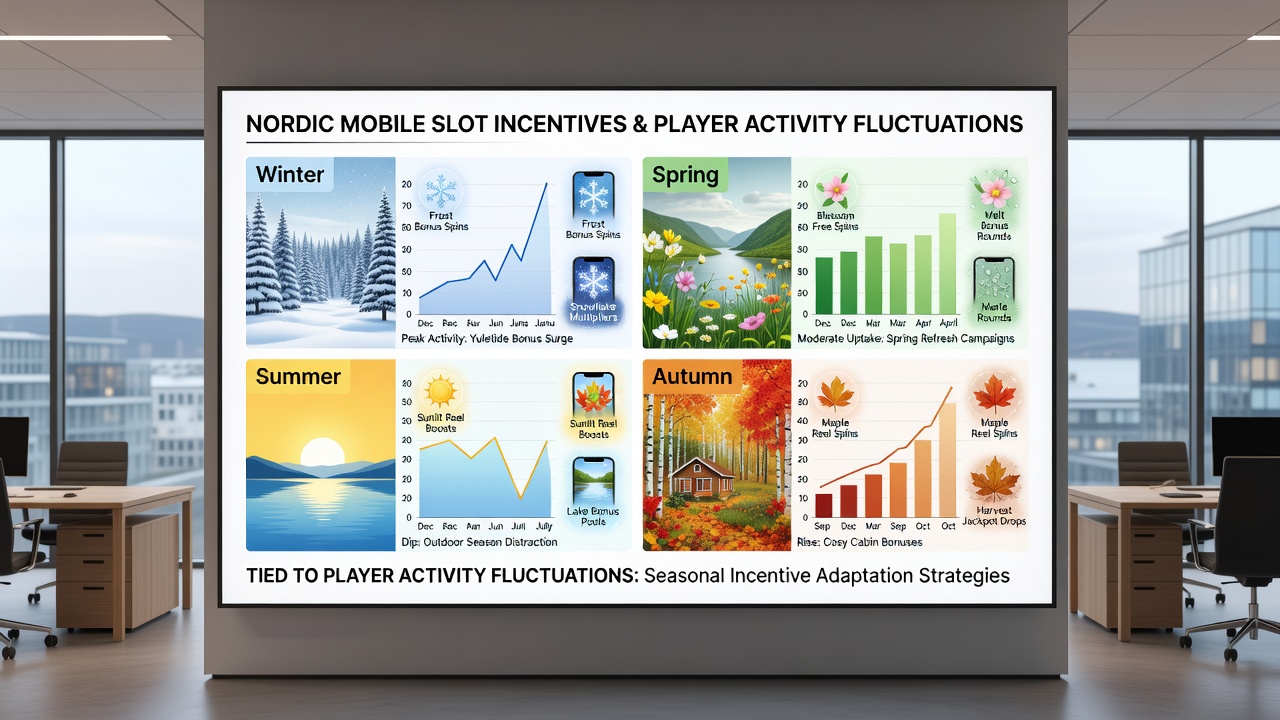
November through February marks a period when multiple operators increase the frequency of time-limited slot campaigns, and activity metrics rise accordingly. Records from platform analytics indicate that daily active users climb between 18 and 27 percent compared with baseline months, while average session duration extends by several minutes per player. In November 2026 operators introduced layered incentive structures timed to align with early holiday shopping and indoor leisure trends, resulting in higher conversion rates from bonus claims to actual wagers across major mobile applications. Those who track operator dashboards note that reward structures during this window often incorporate progressive multipliers tied to consecutive login days, a tactic that correlates with reduced churn rates in the same datasets.
Summer and Holiday Shifts in Promotion Design
Summer months bring different adjustments, where operators reduce the total number of active campaigns yet raise the value of individual offers to maintain engagement among remaining players. Activity logs show that overall login frequency dips slightly, yet players who remain active demonstrate longer play sessions and higher per-session wager amounts when incentives include extended validity periods or lower wagering requirements. Midsummer festivals and vacation schedules appear to drive these behaviors, prompting operators to schedule fewer but more targeted promotions that emphasize mobile accessibility during travel. Researchers compiling cross-operator comparisons have found that Norwegian and Danish platforms in particular display synchronized reductions in bonus quantity during June and July, followed by rapid re-expansion in August as routines normalize.
Cross-Operator Activity Fluctuations and Data Correlations
Comparisons between leading platforms reveal that smaller operators often mirror incentive timing set by larger competitors, producing industry-wide waves of activity spikes rather than isolated movements. Metrics shared through industry reports indicate that when one major operator launches a seasonal slot tournament with enhanced rewards, competitors respond within days with similar structures, leading to collective increases in mobile traffic that persist for two to three weeks. Those studying retention figures observe that players who engage with multiple operators during peak seasons tend to consolidate activity onto fewer platforms once promotions taper, a pattern visible in both Swedish and Finnish markets. According to Australian Gambling Research Centre studies on seasonal gaming trends, similar cyclical behaviors appear in other regulated markets, suggesting the Nordic patterns reflect broader player psychology rather than region-specific anomalies.
Regulatory Context and Reporting Requirements
Nordic regulatory frameworks require operators to document incentive structures and player response data, which has enabled more precise analysis of seasonal effects. Finnish and Swedish authorities collect quarterly submissions that include breakdowns by promotion type and mobile versus desktop usage, allowing researchers to isolate seasonal variables from broader market trends. These reports show that incentive-related player activity peaks align with calendar events such as national holidays adn school breaks, while regulatory caps on bonus frequency influence how aggressively operators can respond during high-demand periods. Observers note that compliance documentation has become a valuable dataset for identifying which incentive formats produce the most stable activity levels across seasons rather than temporary surges.
Emerging Measurement Approaches
Advanced analytics tools now allow operators to correlate weather data, public holiday calendars and mobile usage statistics with incentive performance, producing predictive models for future seasons. Several platforms have begun testing dynamic reward engines that adjust offer parameters in real time based on observed login patterns, and early results suggest these systems reduce the lag between seasonal shifts and incentive deployment. Industry organizations such as the European Gaming and Betting Association have highlighted case examples where operators using predictive seasonal modeling achieved more consistent player activity curves throughout the year. Those monitoring these developments report that smaller operators without such tooling continue to rely on historical averages, creating noticeable differences in responsiveness between market segments.
Conclusion
Seasonal patterns in Nordic mobile slot incentives demonstrate clear connections to measurable fluctuations in player activity across operators, with winter expansions and summer recalibrations producing distinct engagement signatures. Regulatory reporting requirements have facilitated detailed cross-market comparisons that confirm these cycles operate consistently year after year, while emerging analytical methods offer operators new ways to align incentives with anticipated activity changes. Continued collection of granular data will likely refine understanding of how specific promotion types interact with seasonal behaviors in this regulated environment.